About WayPower
Why WayPower
A gentler, more sustainable way to understand yourself, support your nervous system, and move through life with more clarity, compassion and self-trust.
For many ADHD, Autistic, AuDHD, highly sensitive and overwhelmed people, willpower has often been the thing we were told to rely on.
But if willpower was the answer, you would probably have found your way by now.
The problem with willpower
Willpower is not the whole story.
Willpower can be useful in small moments. It can help us choose, begin, pause or follow through.
But willpower alone is not a sustainable way to live.
It becomes exhausting when you are using it to push through sensory overload, emotional overwhelm, executive functioning challenges, burnout, nervous system dysregulation, masking, self-doubt or a life that does not fit who you are.
Try harder.
Push through.
Be more disciplined.
Stop overthinking.
Just get on with it.
Be more consistent.
Do it the way everyone else does.

It's not just effort
The problem is not you.
You may have spent years forcing yourself to keep going, masking what felt hard, overriding your needs, copying systems that were never built for your brain, and blaming yourself when they did not work.
When you rely only on willpower, everything becomes an individual test of effort.
If you cannot start, you feel lazy. If you cannot keep going, you feel weak. If you cannot stay consistent, you feel unreliable. If you need rest, support or a different rhythm, you feel like you are failing.
But often the problem is the expectation that you should be able to override your body, brain, emotions, capacity and context indefinitely.
WayPower begins somewhere different.
WayPower is my framework for moving away from willpower-based change and towards a more compassionate, embodied and sustainable way forward.
It does not ask, “Why can’t you just do this?”
It asks, “What would make this feel safer, clearer, more meaningful, more supported and more possible for you?”
It is not about forcing yourself into someone else’s version of success. It is about learning how to listen to yourself, understand what supports you, and create change in a way that works with your real nervous system, values, strengths, sensory needs, emotions, energy, relationships and lived experience.
The 12 parts of WayPower
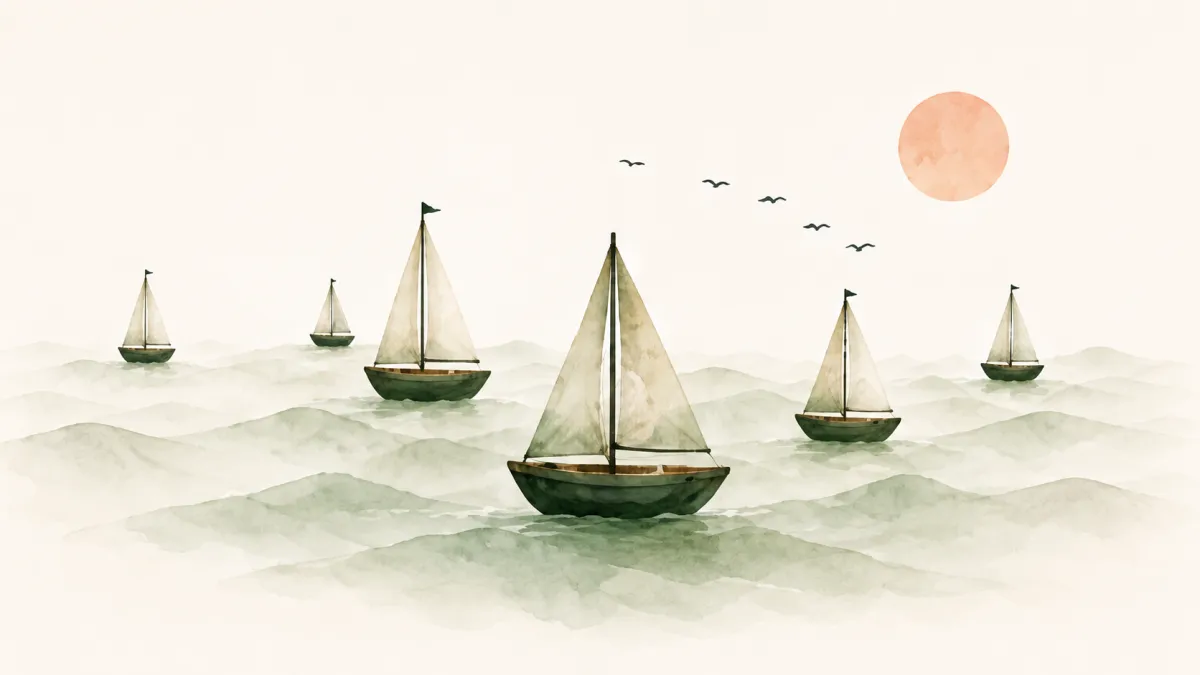
The WayPower framework explores 12 connected areas of life and self-understanding.
1. Community
Your convoy
Discover people, places and practices that offer you steadiness, support and a sense of belonging.
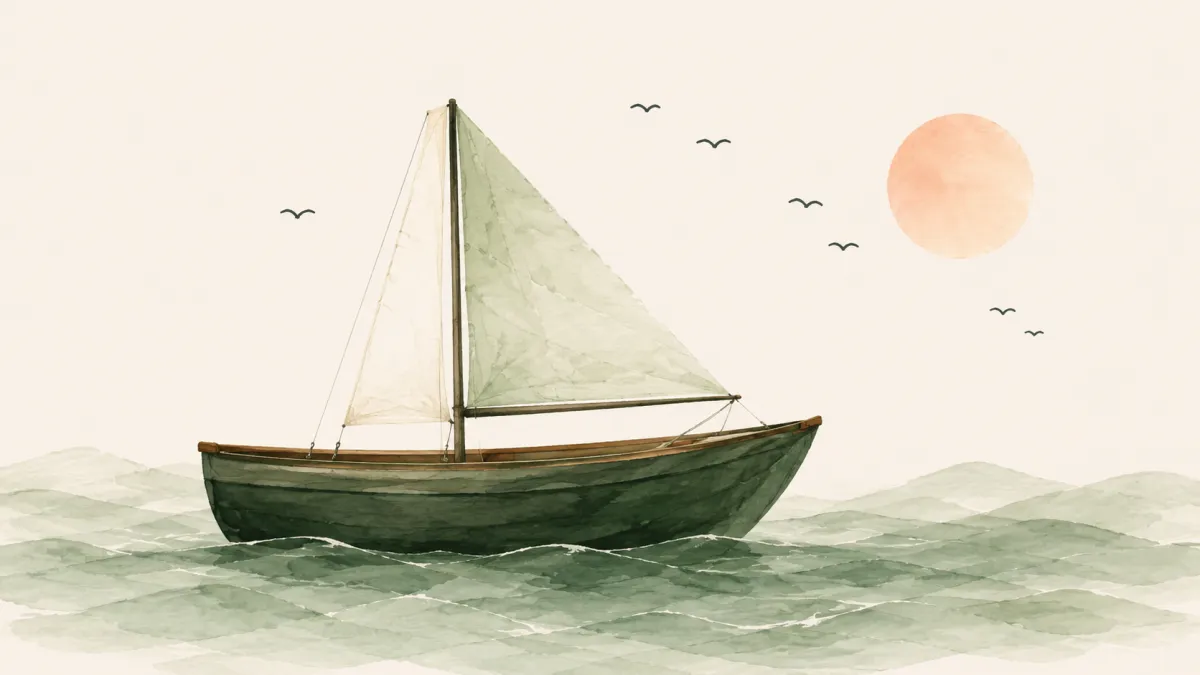
2. Safety, connection & belonging
Your hull
Your sense of safeness, identity and belonging: the part of you that holds everything together.
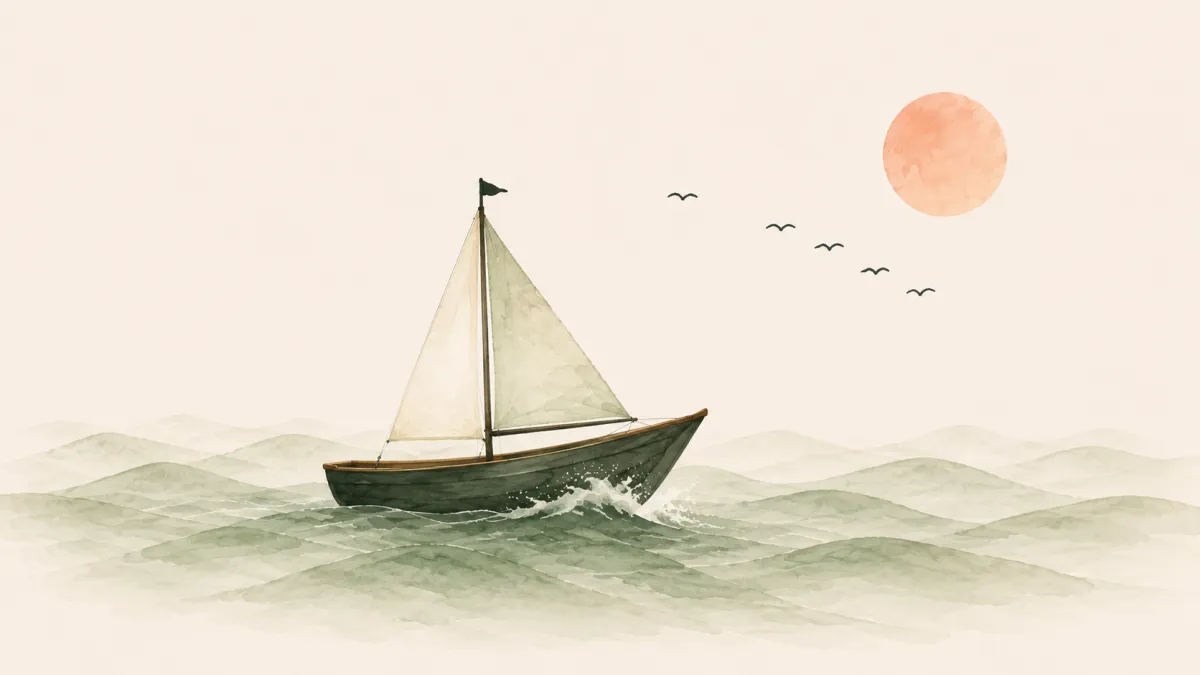
3. Sensory Experience
Your Prow
How you meet the world through your senses, from light and sound to texture, movement and people: understand your triggers and your soothers.
4. Nervous System
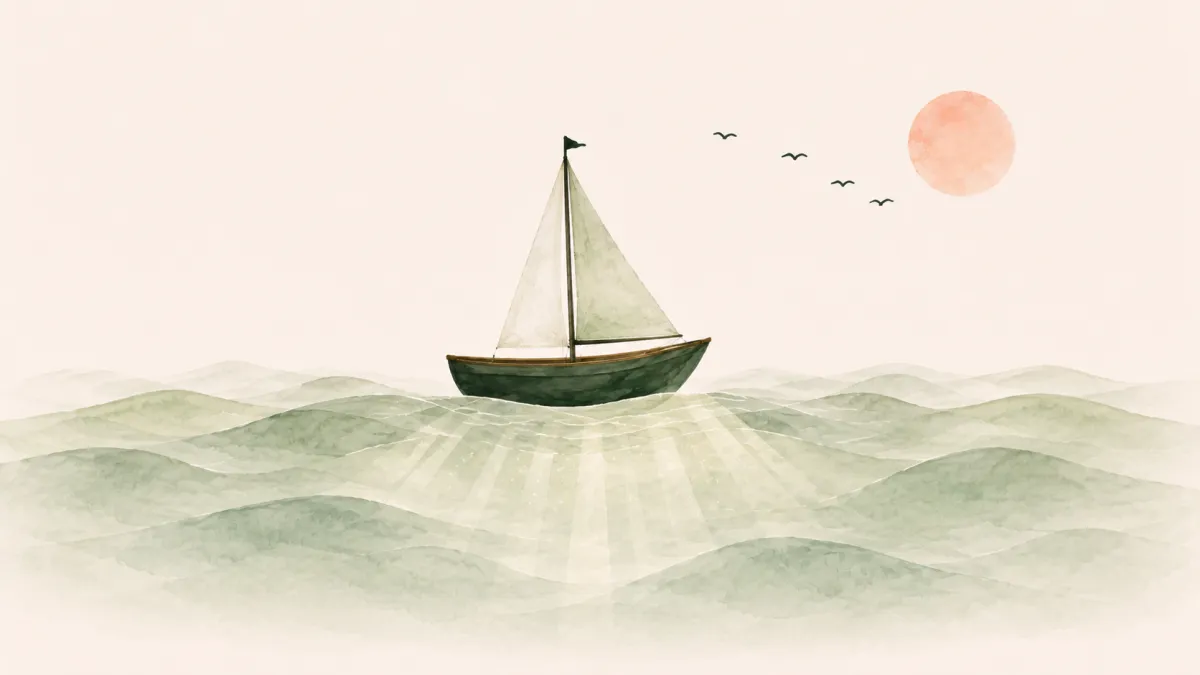
Your Buoyancy
Your capacity to stay afloat, recover after dips, and move back towards regulation and steadiness.
5. Meaning, Values & Purpose
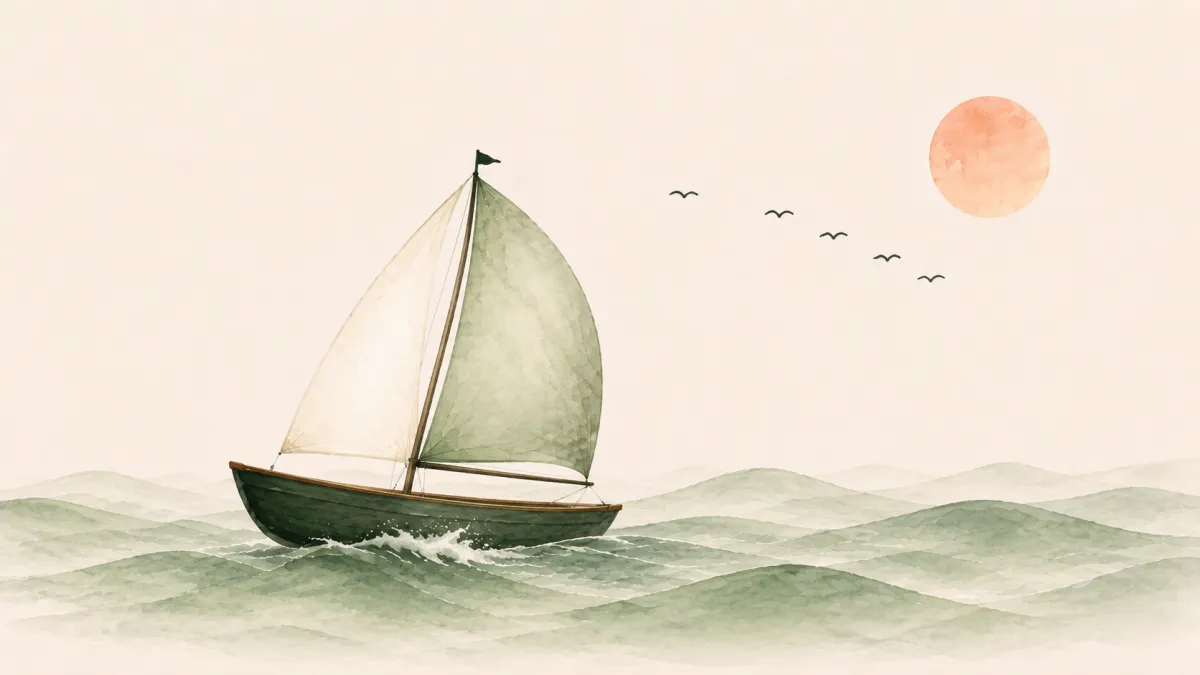
Your Sails
Knowing your values, your curiosity and your deeper why give you direction, energy and momentum
6. Self-Worth, Confidence & Self-Esteem
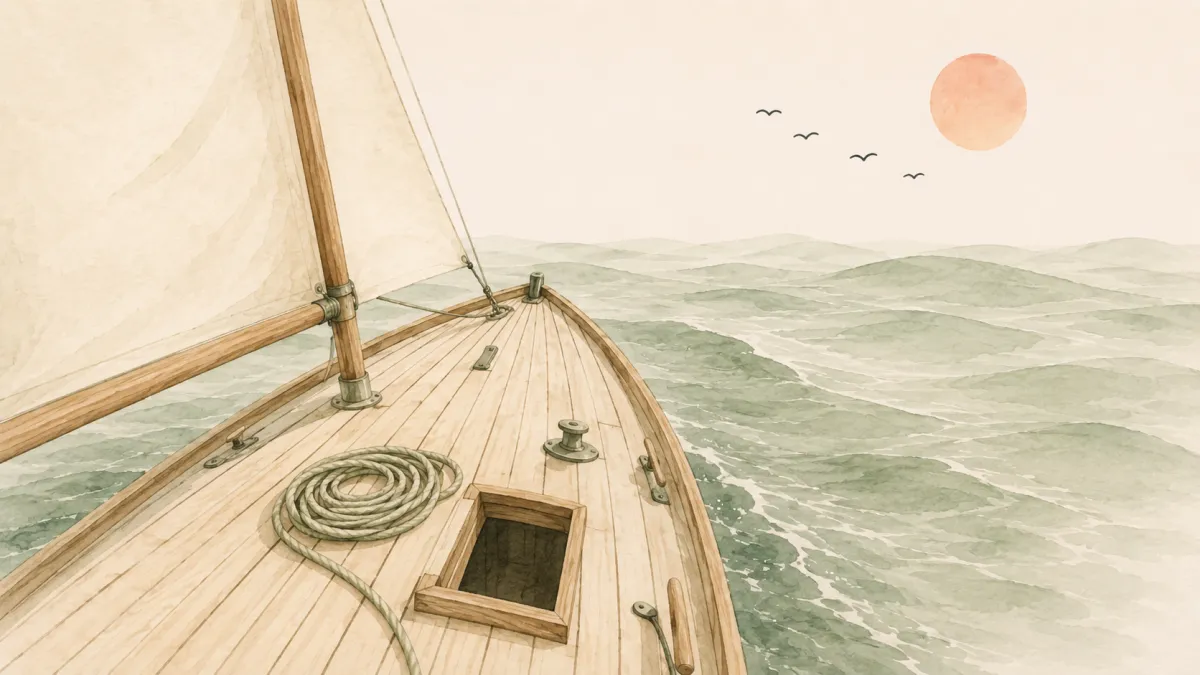
Your Deck
The strength and foundation beneath how you can show up authentically, take up space and trust yourself in the world.
7. Executive Functioning
Your Crew
Understanding how to plan, prioritise, organise, remember and respond to what life asks of you.


8. The currents and tides of time
The sea
With WayPower Time you can intentionally choose and transition between different kinds of time. You'll be able to honour all your responsibilities as well as your energy, capacity and personal rhythms.
9. Emotions
The weather
A more nuanced understanding of your emotional world means you can listen to your needs, harness your energy and take the next right step.

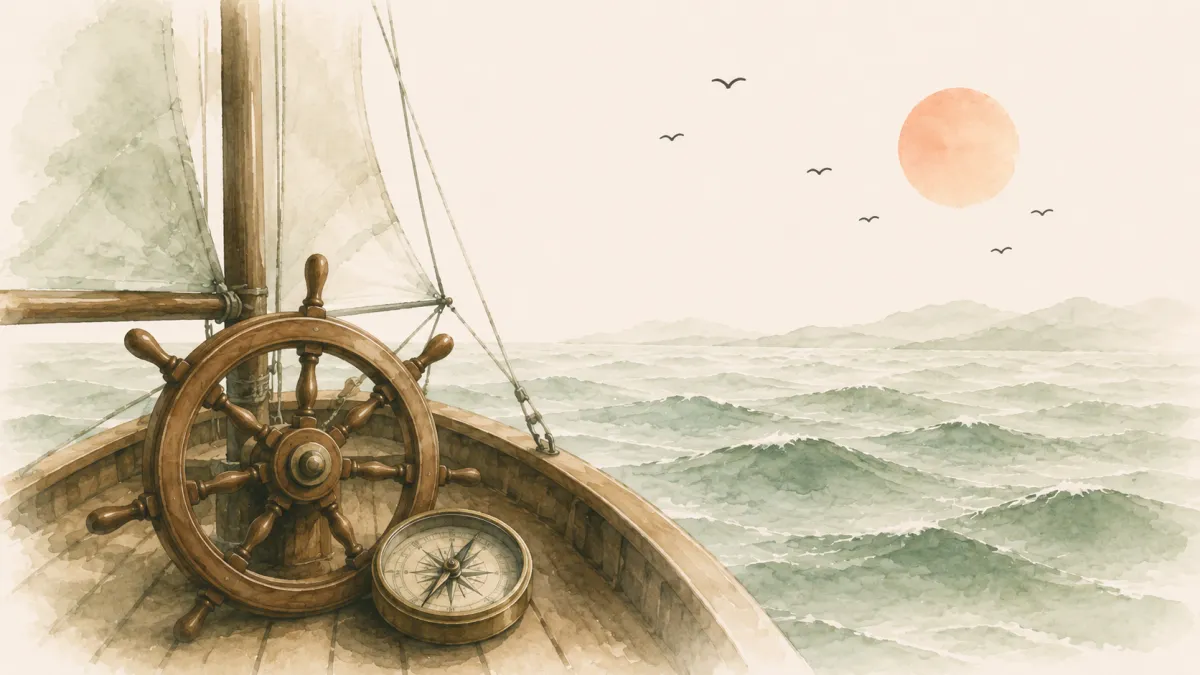
10. Your true north
Your helm & inner compass
Your embodied inner guidance to make more aligned choices with what feels true, right and possible for you, so you can gently course correct.
11. Maintenance, rest and repair
Dry docking
Rest, repair and recovery are not a reward after the to do list, they’re an essential part of a sustainable way of living and working.

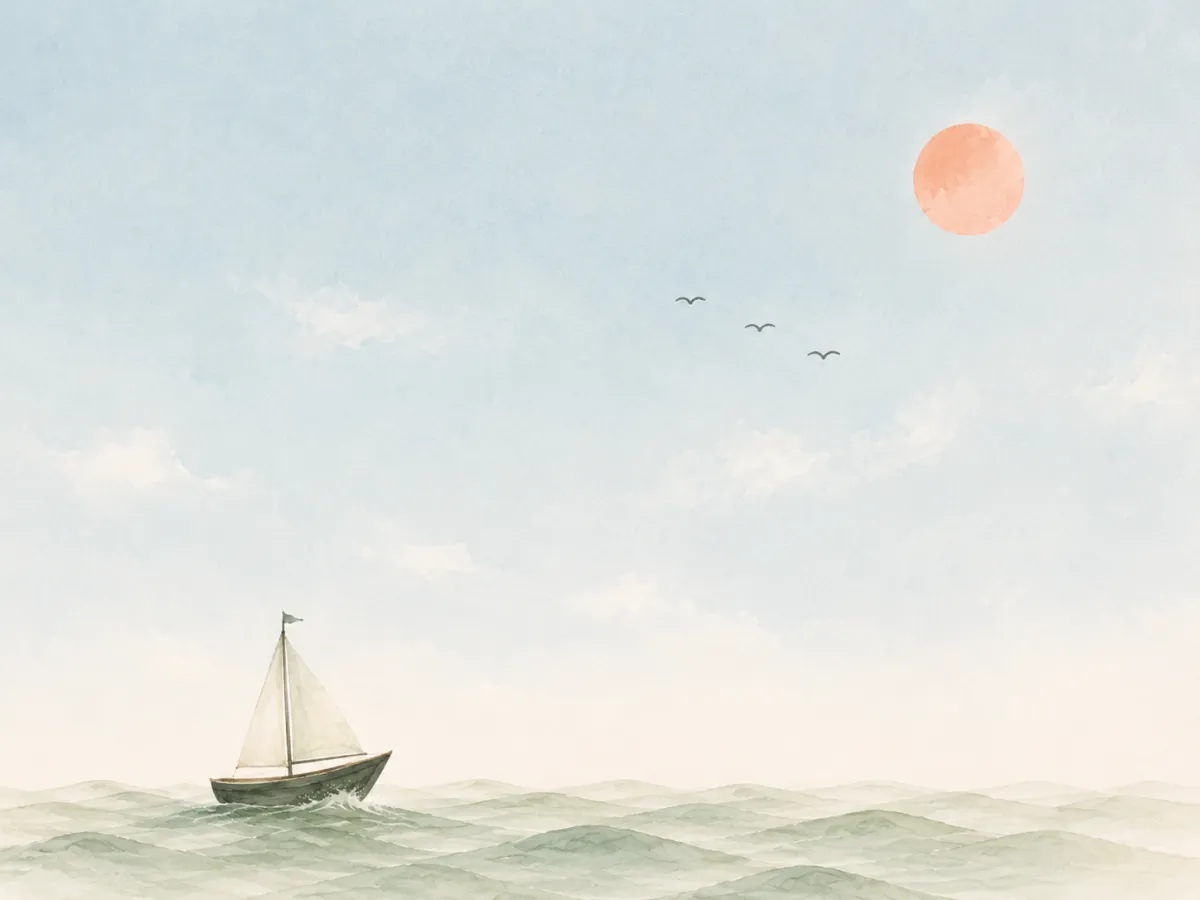
12. Creativity and playfulness
The blue sky
Your imagination, play, possibility and creative potential can be the first thing overwhelm depletes, and yet is the most joyful route out of anxiety and burnout.
Why WayPower?
I set up Positively ADHD because I believe in a different way forward.
People with ADHD have so many gifts and incredible ways of thinking which can make a huge contribution to the world. Yet so much nuance is lost in the deficit-based, medical model which sees ADHD as a list of “symptoms” that need to be “treated”.
Many of us who were late-diagnosed or have self-diagnosed, have spent our whole lives in survival mode, because we did not know that our brains and nervous systems were different. We may have spent many years believing we were broken and have probably struggled with periods of depression, anxiety and burnout.
Whilst I don’t underestimate the difficulties that ADHD can cause, I also know that when we feel creative, hopeful, and connected to our purpose, anything is possible for us and our amazing minds.