Your emotions
From Overwhelm to Clarity
A different way of understanding emotions when you’re ADHD, Autistic, AuDHD or highly sensitive.
Your emotions are not a problem to fix. They may be messengers, signals, patterns, or inner weather asking for kind attention.
For many neurodivergent people, emotions do not arrive as neat labels. They may show up as pressure, urgency, fog, shutdown, restlessness, tears, numbness, or a strong sense that something is there but hard to name.
A gentler way in
If you have ever said, “I don’t know what I’m feeling,” you are not alone.
Alexithymia as difficulty identifying and naming emotions, and links it with neurodivergence, emotional overwhelm, anxiety, dissociation, and RSD.
This is one reason I offer a softer and more spacious approach to emotions work.
Instead of trying to force clarity, we begin by noticing what is happening in your body and nervous system, and listening for the meaning inside it.
With WayPower, we begin differently
When words do not come easily
For many ADHD and Autistic people, direct emotion words can feel too vague, too loaded, or simply unavailable in the moment.
Sometimes metaphor is easier, safer, and more accurate.
You might notice your inner experience as a storm cloud, a tangled knot, static in the chest, a wall, wet cement, buzzing wires, or sunlight breaking through mist.
These images can become a bridge between body sensation and emotional understanding, especially when alexithymia makes standard labels hard to access.
Storm cloud
Tangled knot
Static
Wall
Wet cement
Buzzing wires
Sunlight
Mist
Focusing and felt sense
This is where Focusing can be so powerful.
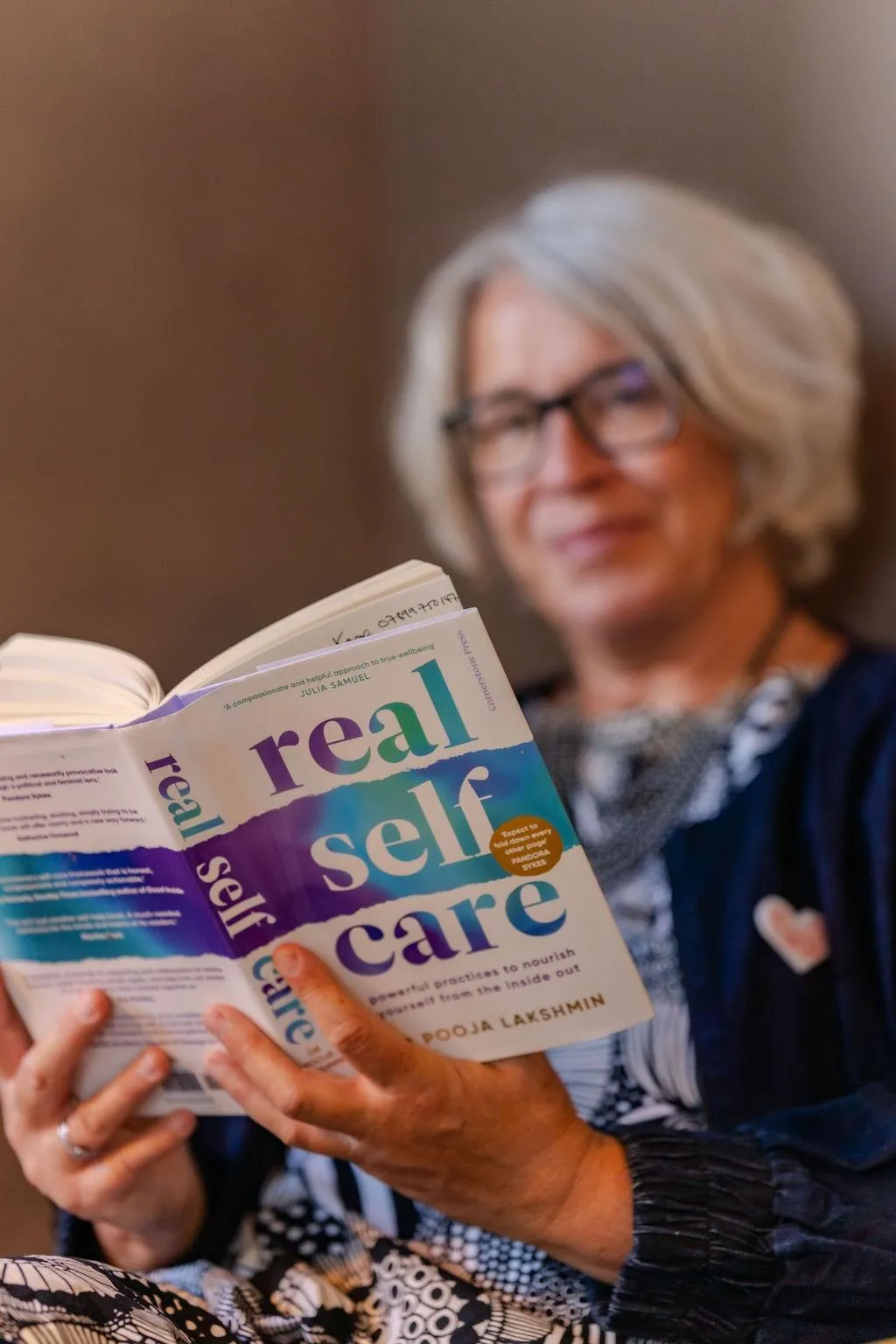
Focusing is a gentle, embodied way of paying attention to the unclear “something” inside, often called the felt sense, and allowing it to unfold in its own language and timing.
Sometimes that language comes as sensation. Sometimes it comes as image, gesture, memory, or metaphor.
Rather than pushing for the “right” answer, we stay curious and compassionate, so clarity can emerge naturally.
Emotional granularity with kindness
Emotions are not flaws to fix
Emotions are signals your brain and body construct in context, which means you can build more awareness, more nuance, and more choice over time.
Your workbook explains that emotional granularity helps people move beyond broad categories like “bad,” “sad,” or “mad” into more precise feelings, and that this can support better regulation and more helpful next steps.
This work is especially supportive for neurodivergent people who have spent years masking, overriding themselves, or mistrusting what they feel.
You do not need emotional perfection. You need a way of relating to yourself that feels safe, respectful, and real.
1:1 focusing session
If emotions often feel confusing, intense, shut down, or just out of reach, a 1:1 Focusing session can offer a calmer way in.
Together, we make space for what is there, using felt sense, metaphor, gentle curiosity, and nervous-system-aware support to help you understand your experience more clearly.
You do not need the right words before you begin.
You can start with a sensation, an image, a heaviness, a blankness, or simply the sense that something inside wants attention.

The currents and tides of time
The sea

Your true north
Your helm
Why WayPower?
I set up Positively ADHD because I believe in a different way forward.
People with ADHD have so many gifts and incredible ways of thinking which can make a huge contribution to the world. Yet so much nuance is lost in the deficit-based, medical model which sees ADHD as a list of “symptoms” that need to be “treated”.
Many of us who were late-diagnosed or have self-diagnosed, have spent our whole lives in survival mode, because we did not know that our brains and nervous systems were different. We may have spent many years believing we were broken and have probably struggled with periods of depression, anxiety and burnout.
Whilst I don’t underestimate the difficulties that ADHD can cause, I also know that when we feel creative, hopeful, and connected to our purpose, anything is possible for us and our amazing minds.