My story
Where to start?
I didn’t realise that my brain was any different until my 50’s. And, wow, what a gift that knowledge has been!
The present I didn't even know was possible!
If, like me, you need to read the last page of a book to find out how a story ends before you start it, then – here I am, living a life I never dreamed was possible.
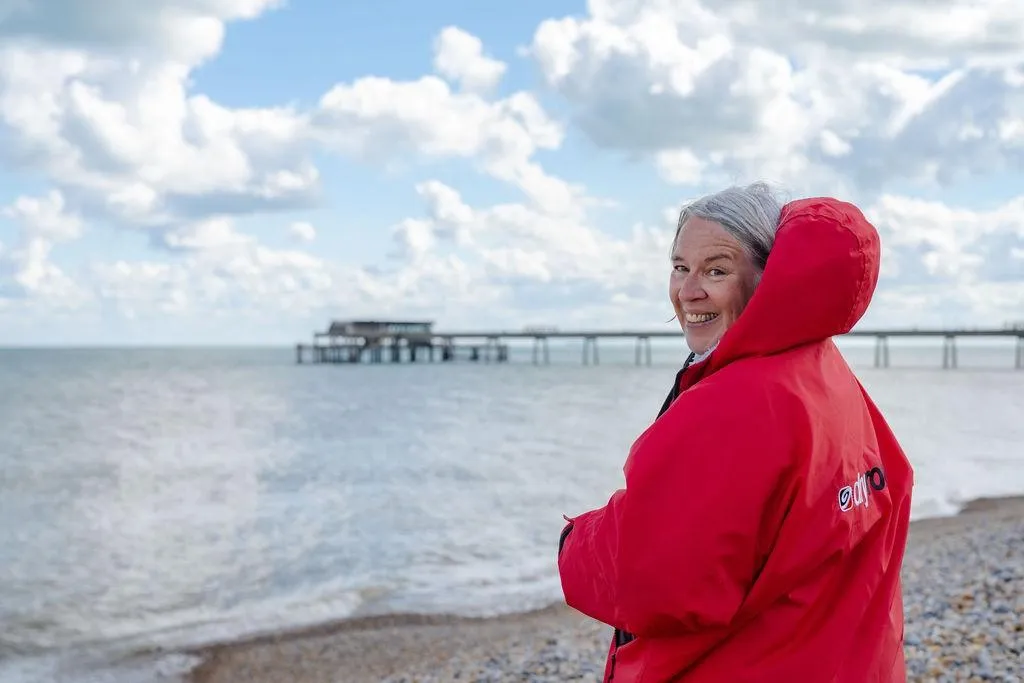
I run my own business, enabling others to understand and accept themselves. I swim in the sea most days, with the freedom to choose when and where I work, so that I can be around for my two kids (and two cats!) when they need me most.
And my ADHD diagnosis, along with the communities I joined, were the missing piece in being able to step into my true self.
My path to WayPower
Before
Trying harder
Years layer
Burnout
Then
Scholarship & Coaching
The turning point
ADHD realisation
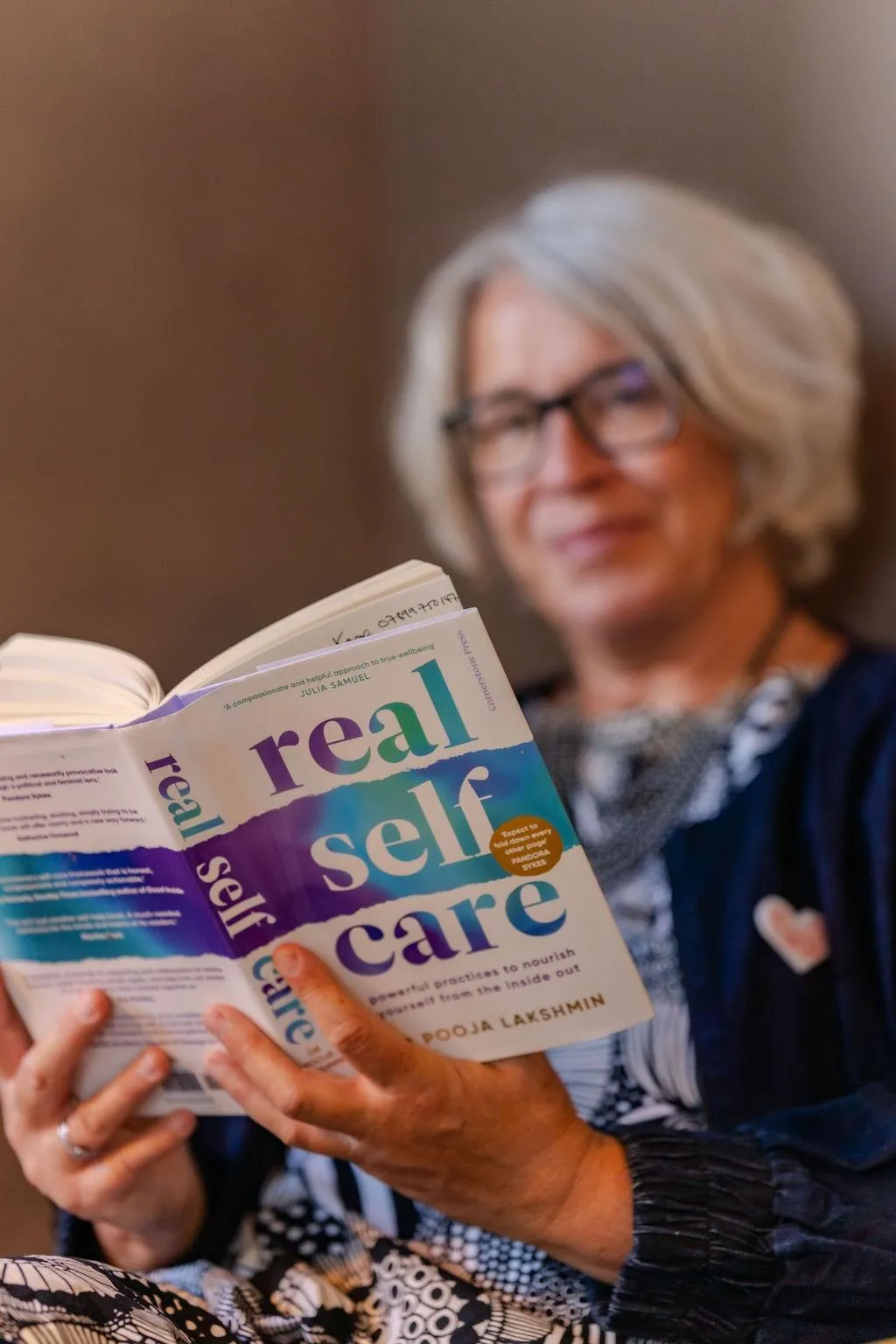
My ADHD realisation came after a whole lifetime of therapy, counselling, hundreds of hours of self-development courses and a whole library of self-help books. Each time I started something, I’d be full of hope and excitement, thinking that this would be the thing that would fix me. I just hadn’t found the right thing yet.
When things got really bad, I’d end up at the GP with diagnoses of depression, generalised anxiety, bulimia, and burnout at various times from my late teens to my early forties. But the focus of treatment was always symptom management, "learning to cope" and occasionally a new medication. I kept thinking that there had to be more to life than this.
In the middle of Covid, whilst juggling home-schooling and managing a careers department at a university, I was awarded a scholarship to study for a Masters’ in Applied Positive Psychology and Coaching Psychology – the next shiny thing that I thought was going to help me. It did. I realised that most other people didn’t have to wait until 3am the day before a deadline to finally get the motivation to start doing the thing. And when a friend suggested I Google ADHD, it felt like something finally clicked into place for the first time.
Everything changed when I stopped trying to fix myself.
Understanding how my brain, body and nervous system worked wasn’t the end of the story.
It was the beginning.
What shapes my work
Deeply Curious
Years spent exploring psychology, coaching, neurodivergence and what helps people genuinely thrive.
Late Diagnosis
The experience of discovering ADHD later in life shapes everything I bring to my work.
Nervous System First
Real change happens when we feel safe enough to grow.
Community Matters
Healing and growth rarely happen in isolation.
Sea & Stillness
The sea reminds me that slowing down is often where clarity begins.
WayPower
A framework built from lived experience, professional learning and deep self-understanding.
My journey here
I was already working as a coach with students, and as I shared my own personal journey, including my late ADHD realisation, I started getting contacted by more and more adults who resonated with my experience to coach them. I felt that life was calling me to this new work, and I trained to become an ADHD specialist coach.
I know that with the right support in place, late diagnosed adults - like you and me - can make peace with opportunities lost, unrealised potential, and any self-sabotaging coping mechanisms we may have developed along the way.
Since my diagnosis, it's not been plain sailing. There have been a lot of tears. And frustration. And grief. And also a lot of forgiveness, and laughter and joy.
I’m still a long way from being an enlightened guru! And you’d agree too if you found us on a morning when we’re scrambling about to find a complete PE kit, or I’ve forgotten yet another birthday. The difference is that now, I understand why certain things are harder for me, and how it affects my family and loved ones. Now I can accept and hold my traits with self-compassion, honesty and a good dose of humour.
Now I also get to share my knowledge and understanding of how our bodies, brains and nervous systems are wired differently with other late-diagnosed neurodivergent adults. And, supporting others to create a life that they love too, has enabled me to alchemise all my life challenges into gold.
Support for sensitive and neurodivergent people navigating life, work and everything in between.
EXPLORE
RESOURCES
SUPPORT
CONNECT
Why WayPower?
I set up Positively ADHD because I believe in a different way forward.
People with ADHD have so many gifts and incredible ways of thinking which can make a huge contribution to the world. Yet so much nuance is lost in the deficit-based, medical model which sees ADHD as a list of “symptoms” that need to be “treated”.
Many of us who were late-diagnosed or have self-diagnosed, have spent our whole lives in survival mode, because we did not know that our brains and nervous systems were different. We may have spent many years believing we were broken and have probably struggled with periods of depression, anxiety and burnout.
Whilst I don’t underestimate the difficulties that ADHD can cause, I also know that when we feel creative, hopeful, and connected to our purpose, anything is possible for us and our amazing minds.